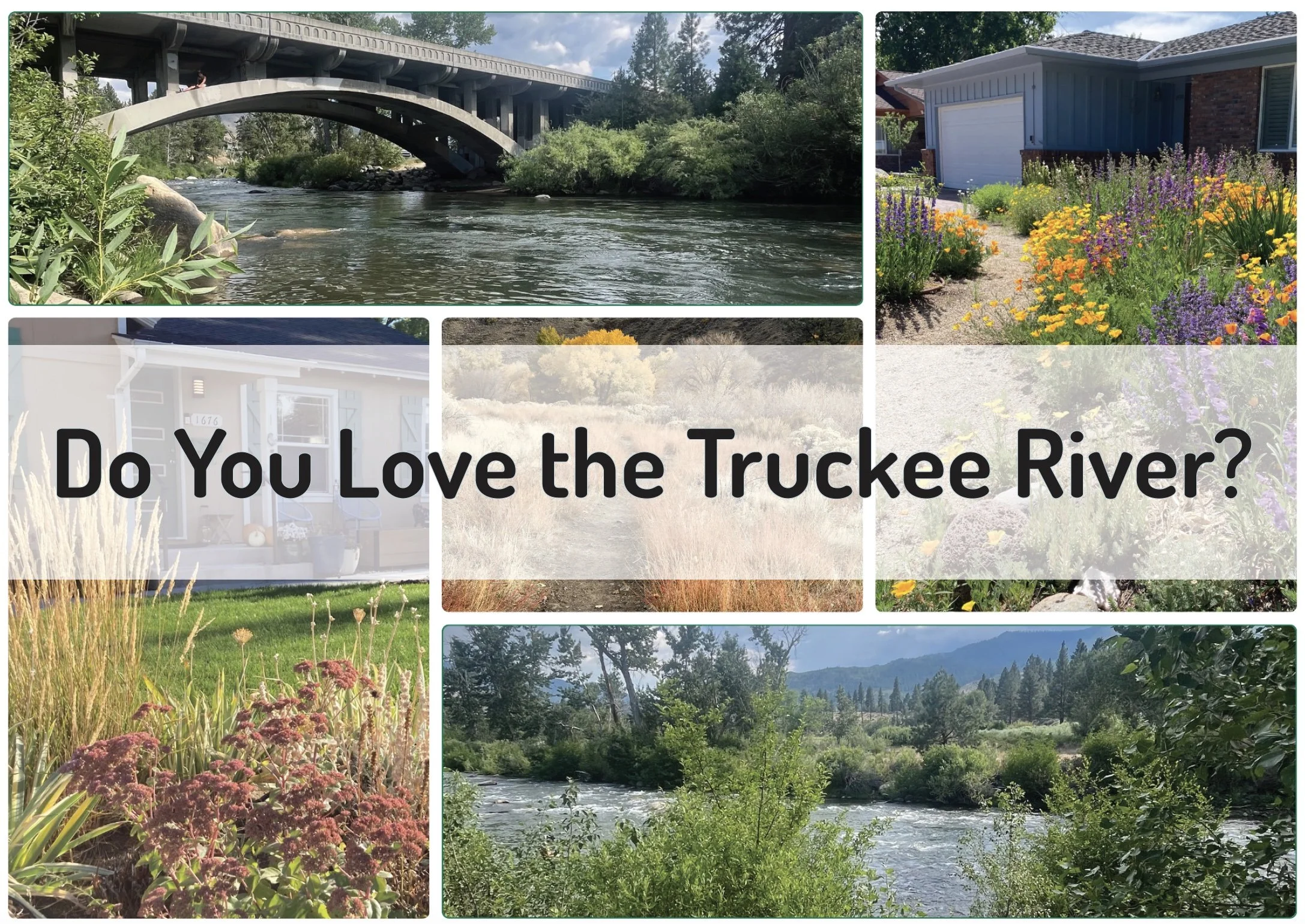
We live in the Truckee River Watershed – and everyone’s choices matter!
Here are three ways you can make a difference for the river:
Make River-Friendly Changes at Home.
Keep the river in mind when you make decisions in your yard - and scroll down to #3 for our tips, tricks, and seasonal guides.
Looking for support? This spring, we’ll be offering free yard mini-makeovers to Northern Nevada homeowners - including adding/updating irrigation systems and buffer strips to selected homes. Share your email with us to be the first to learn more. When Mini-Makeovers launches in early 2027, they will be available on a first-come-first-serve basis to eligible applicants while grant funds last for this incentive.
2. Join Us at Our Upcoming Events
This fall, we’ll be hosting a tree care workshop, river ecology walks, and other opportunities to explore the Truckee River together. We hope you can join us! To be the first to hear about future events, subscribe to our monthly newsletter.
3. Learn More About River Friendly Living.
Explore our website to learn more about how you can make a difference through your choices at home and in your yard. A few of our favorite ways?
Plant a buffer strip. These are water-wise perennial, planting areas between your lawn and the sidewalk. They keep water from running onto the sidewalk and down the storm drain, which uses water wisely and reduces the potential for fertilizers and pesticides to runoff and harm the Truckee River.
2. Maintain your irrigation system. You’ll prevent wasting water. Check out the blog below to learn more about winterizing it for fall.
3. Fertilizing and managing pests? Follow package instructions. Don’t over apply. Choose natural based products and practices.
Funded by the Truckee River Fund at the Community Foundation of Northern Nevada, US Environmental Protection Agency, and the NV Division of Environmental Protection with support from Western Regional Water Commission and Washoe County.

Native Plant Alternatives for 5 Common Landscaping Plants
River-Friendly Yards seek to protect the Truckee River from afar, both by using water wisely and by reducing pollutants that could flow down the storm drain and into the river. We can achieve both of these goals by using more native plants in our yards.
Native plants are adapted to our local climate and soils. This means that they usually require less water and fertilizers than many common landscaping plants. If you incorporate them into your yard, that can save you money on your water bill and reduce the potential for fertilizers and pesticides washing down the storm drain. They also provide more habitat and food resources for local wildlife and pollinators.
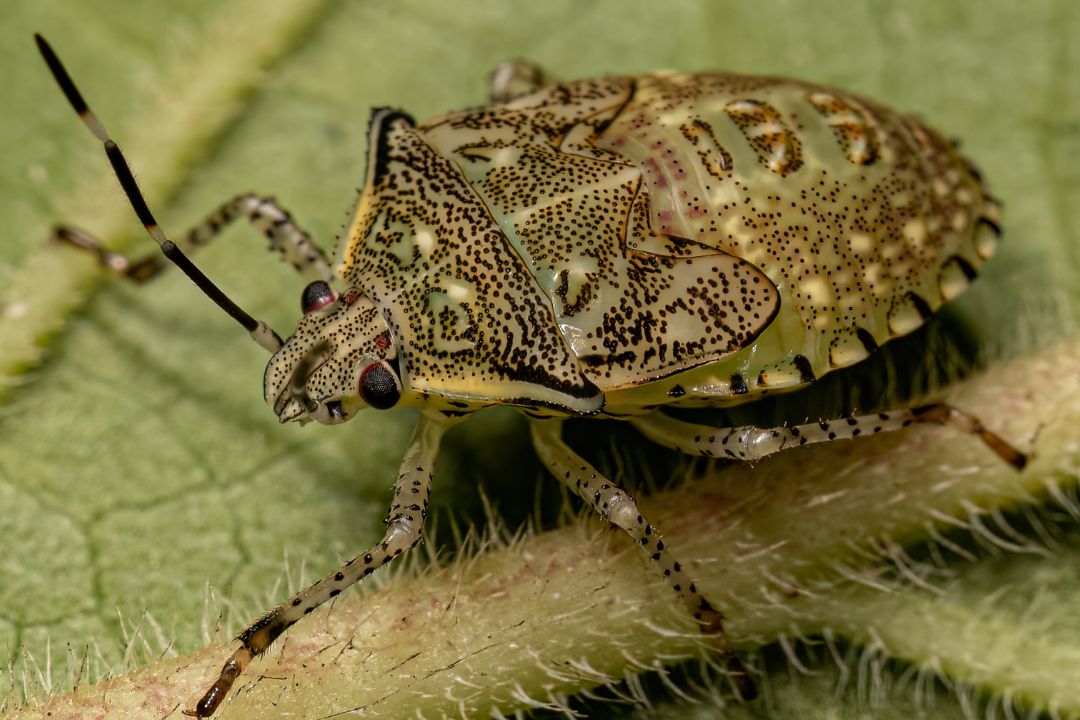
Prep Your Yard for Winter - the River-Friendly Way!
Is your yard ready for winter? Here in Northern Nevada, it can feel like there’s a lot to think about in taking care of our homes and yards. This season, we invite you to prep for the cold season with the Truckee River in mind. From pest prevention to tree planting, adding natives to our gardens to protecting our homes from fire, this is the perfect time of year to take a closer look at your yard. While some of our River-Friendly winterization tips might already be in your repertoire, a couple might feel like brand new ways to care for your property, protect our local environment, and prepare for the months ahead.
Keep reading for our 4 top tips for making your yard River-Friendly this season:
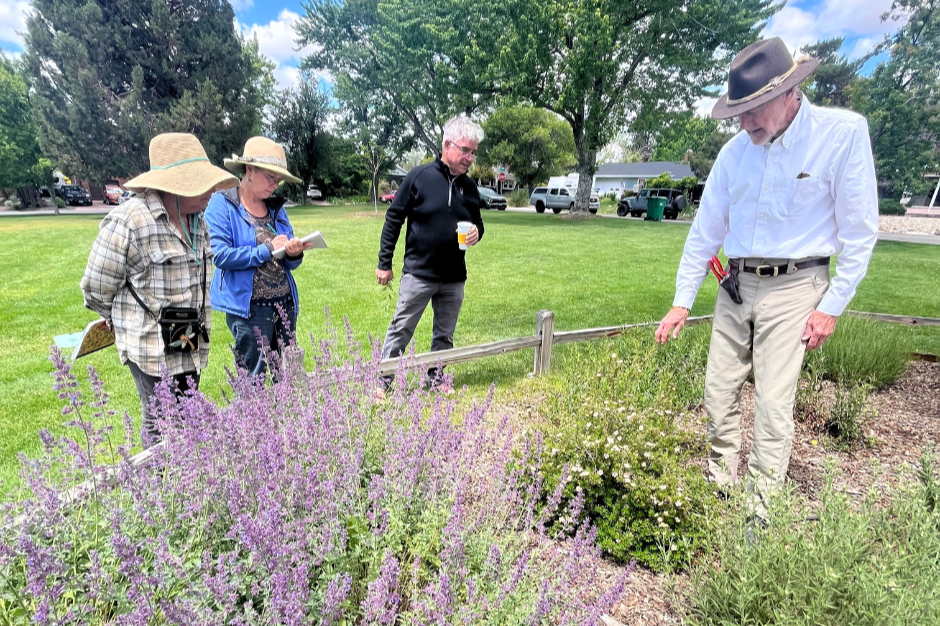
Making The Most of Water: Gardening Strategies with Tom Stille
How can you make the most of water in your garden?
Tom Stille is a local horticulturist, landscape architect and teacher. He’s the owner of River School Farm and a pollinator-friendly and edible garden enthusiast. On May 30th, Stille spoke at One Truckee River’s gardening workshop: Making the Most of Water. Following up on the event, we spoke to him about some of its biggest takeaways – including practical tips for drought-tolerant and River-Friendly gardening we can all implement at home.

Winterize Your Yard's Irrigation System
Have you made a plan to winterize your home's irrigation system? By winterizing your irrigation system, you'll remove all water from inside its pipes, so it doesn't freeze and expand. Winterization also includes disconnecting and turning off your home's outside water for the season ahead. Depending on the type of system you've set up and your personal level of DIY-aptitude, you might feel comfortable taking on winterization yourself - but it's often easier to hire a professional who already owns all the tools they'll need.

Firescaping
Want to breathe easy knowing you and your yard are prepared? In this, we’ll cover how Firescaping your yard can play an important role in promoting a healthy watershed while protecting your home from fire.
But before we dive into the details of Firescaping , let’s discuss the effects fire can have on our watershed…