
McCarran Ranch: Restoring the Truckee River
If not for our cities, what would the Truckee River look like in Northern Nevada? What plants and animals would call it home? How would its shape wind through the desert, and what ecological functions would it fill?
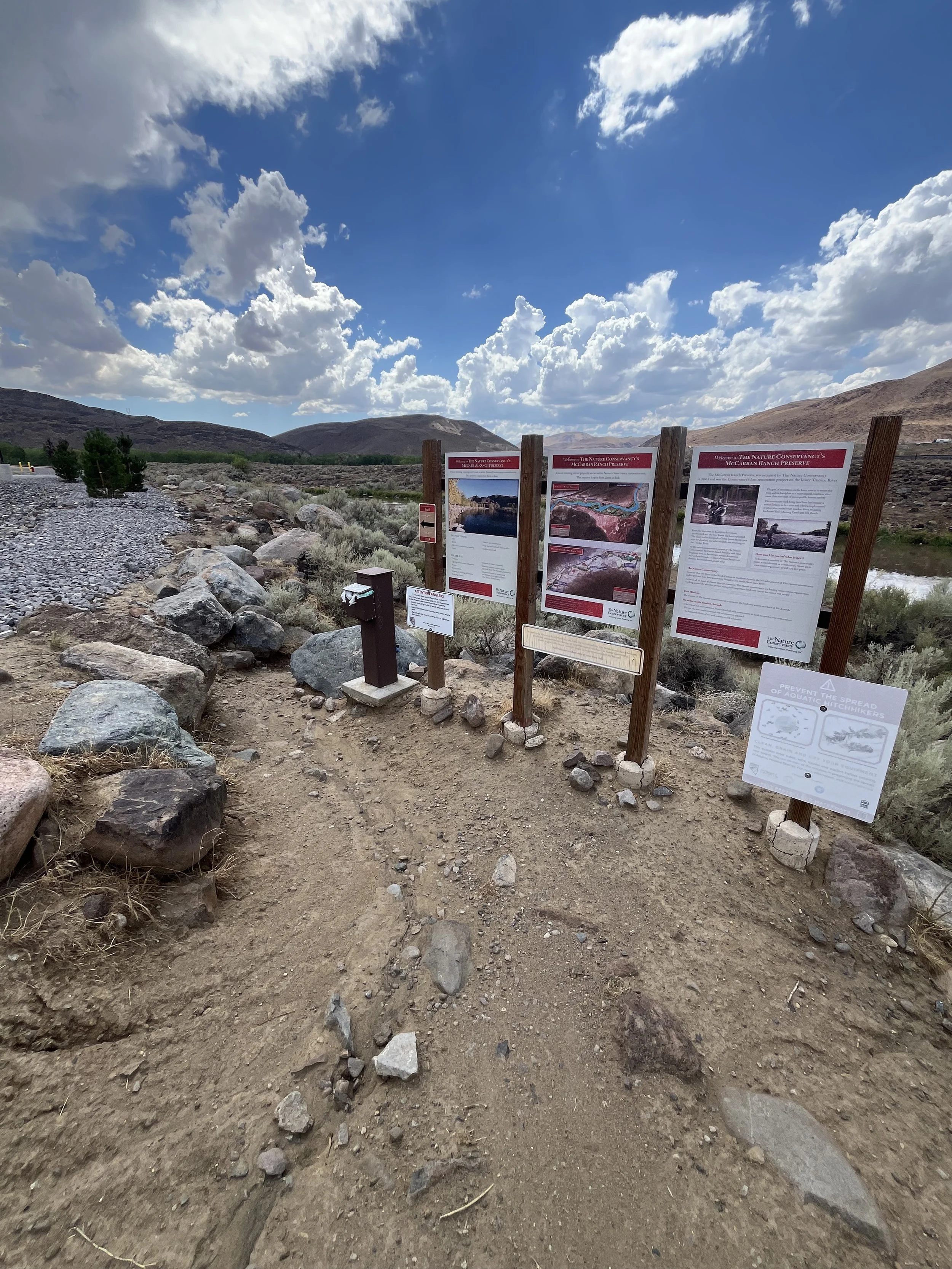
Whether you’re looking to get a feel for what the Truckee River once looked like, or simply looking for a new place to explore, we encourage you to check out McCarran Ranch Preserve. Located east of Sparks, it’s a beautiful option for sunny autumn walks, bike rides, fishing, bird watching, paddling, and more. It’s just far enough from town to feel like a mini-getaway. Tucked away near the Reno-Tahoe Industrial Center, it’s a locale most Northern Nevadans have driven by, without notice.
What makes McCarran Ranch Preserve even more interesting – is that it’s an active Nature Conservancy restoration site and the first restoration project of its kind along the lower Truckee River! While this stretch of the Truckee River was inaccessible to the public for more than a century, recent efforts to restore the river’s meandering channels and wetlands support an abundance of wildlife, bring water quality and flood protection benefits to the region, and remind us what the impact of a motivated nonprofit can look like.
[map image]
Visiting McCarran Ranch
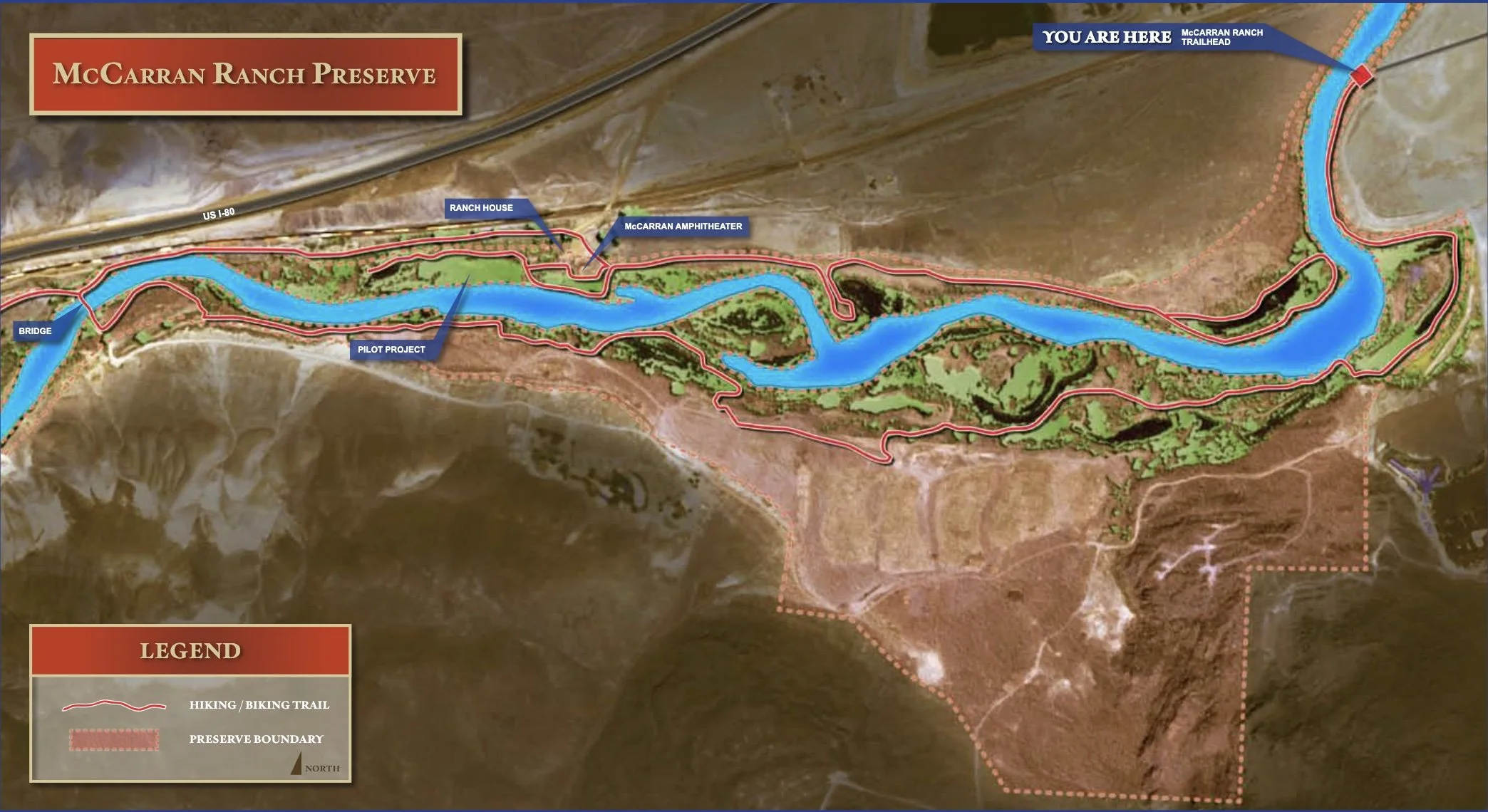
Most visitors to McCarran Ranch will begin at the trailhead off I-80s Patrick exit. Compared to other areas of the Truckee River you’ve enjoyed, turning off the paved road into the small dirt lot felt like the start to an adventure. A 7.1 mile hike (out and back included) is recommended by AllTrails and can be a great goal to get you started. For bikers, longer routes along the 9-mile stretch of restored riverbank, part of the Tahoe-Pyramid Trail, are also enjoyable. Birders and fishers may prefer shorter walks, with some fly fishers launching boats further upstream and entering the park by float.
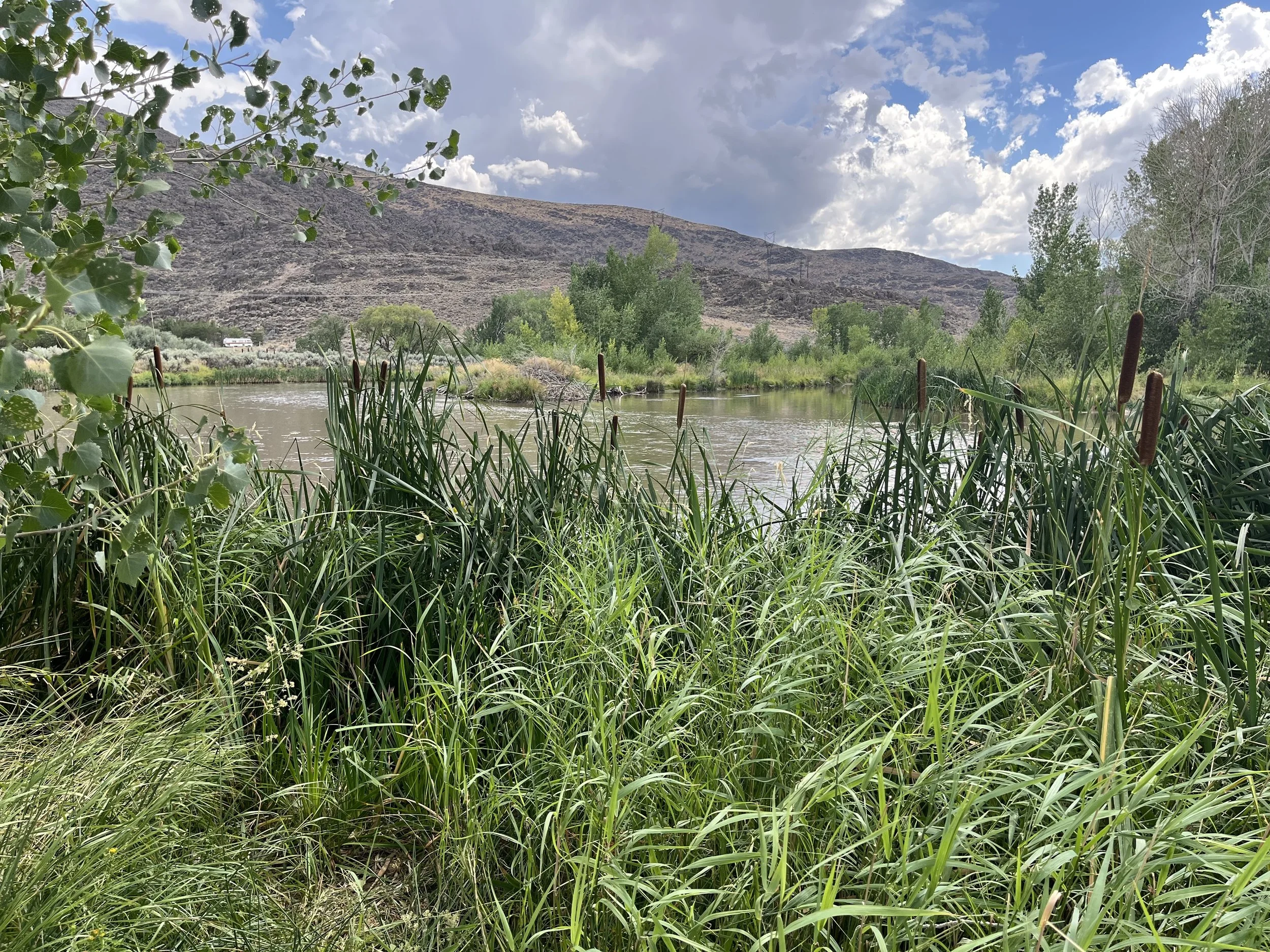
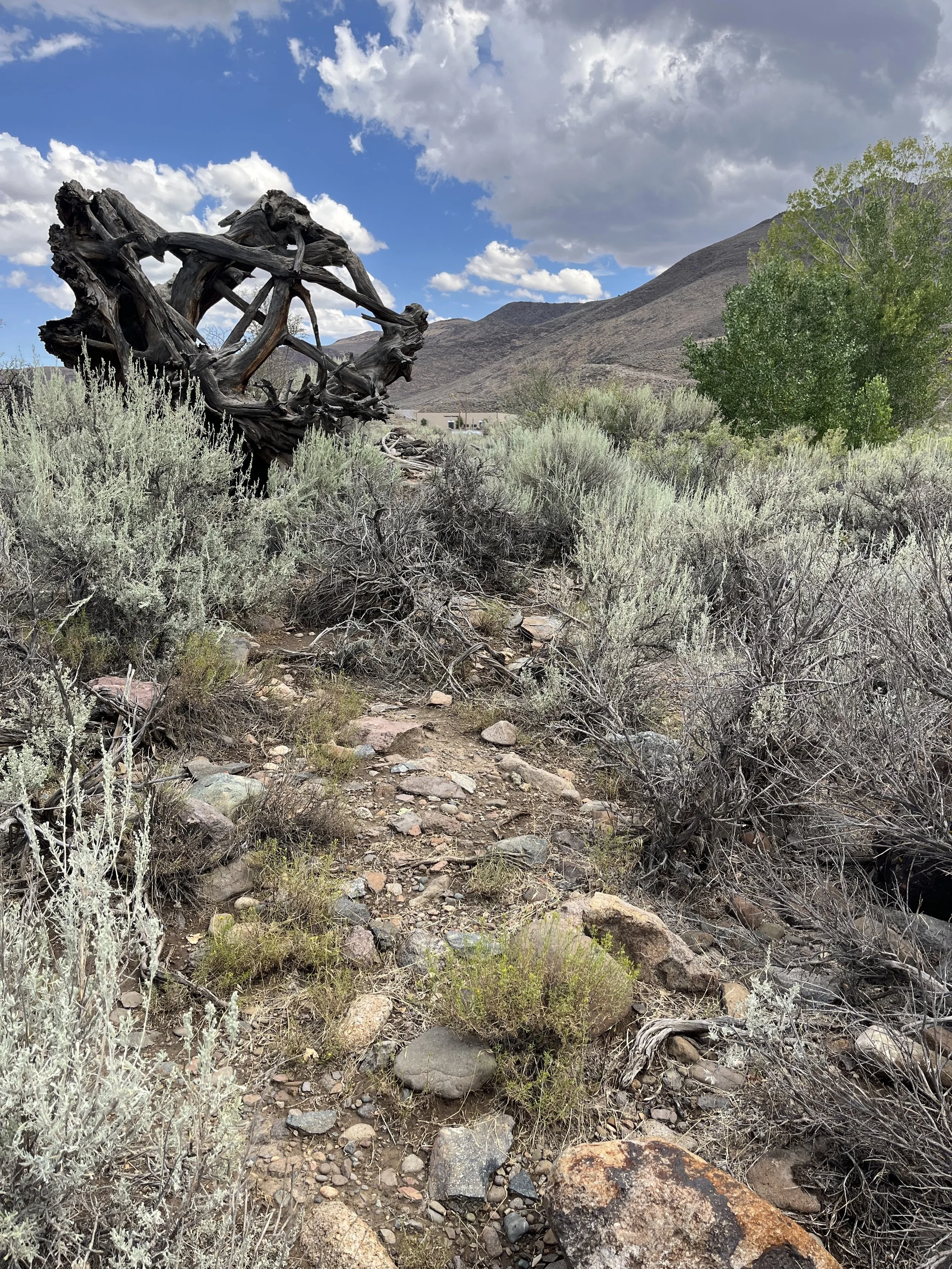
If you choose to hike, you may notice a few fishing enthusiasts at the start…before wildlife begins to catch your attention. Mustangs, birds, and deer are all common along the trail, as are mature trees like cottonwoods and willows, which attract birds and other wildlife. Enjoy dry desert mountain views and lots of sunshine.
As you follow the river’s meanders, remember that it didn’t always look this way.
Restoring the Truckee River
To learn more about restoration work in the McCarran Ranch Preserve, we spoke to Heather Giger, Protection and Stewardship Strategy Director of the Nevada chapter of the Nature Conservancy (a One Truckee River Partnership Council member). She begins by sharing, “The focus of the preserve is riparian habitat restoration, and that’s what’s really special about the park.” In 2003, the Nature Conservancy acquired the initial McCarran Ranch Preserve property and began a small pilot project to test restoration methods and practices. They continued to pursue and coordinate funding. Based on the success of that work, in 2006, they began restoring additional areas, working with dozens of partner organizations and agencies. They acquired several properties, as well as conservation easements and a shared use agreement and shared management agreement with the Bureau of Land Management for the Mustang Ranch section.
One of the Nature Conservancy’s top priorities? Returning this stretch of the Truckee River to a more natural river grade. While infrastructure development often includes straightening and channelizing riverbanks, such shapes are rarely found in nature. Giger tells us, “We had an environmental engineering firm design a holding path for the river that would restore some of the natural meanders and riffle structures that you would see in a free-flowing river.”
Then, they completed a construction project to do the earthwork and realize the shape laid out in their designs. Revegetation included returning willows, cottonwoods, and other native species to the area, along about 11 miles of the Truckee River. The goal, according to Giger, was to “return the natural function of the river and make it behave more like its former floodplain would have behaved.”
In Retrospect: The Benefits of Restoration
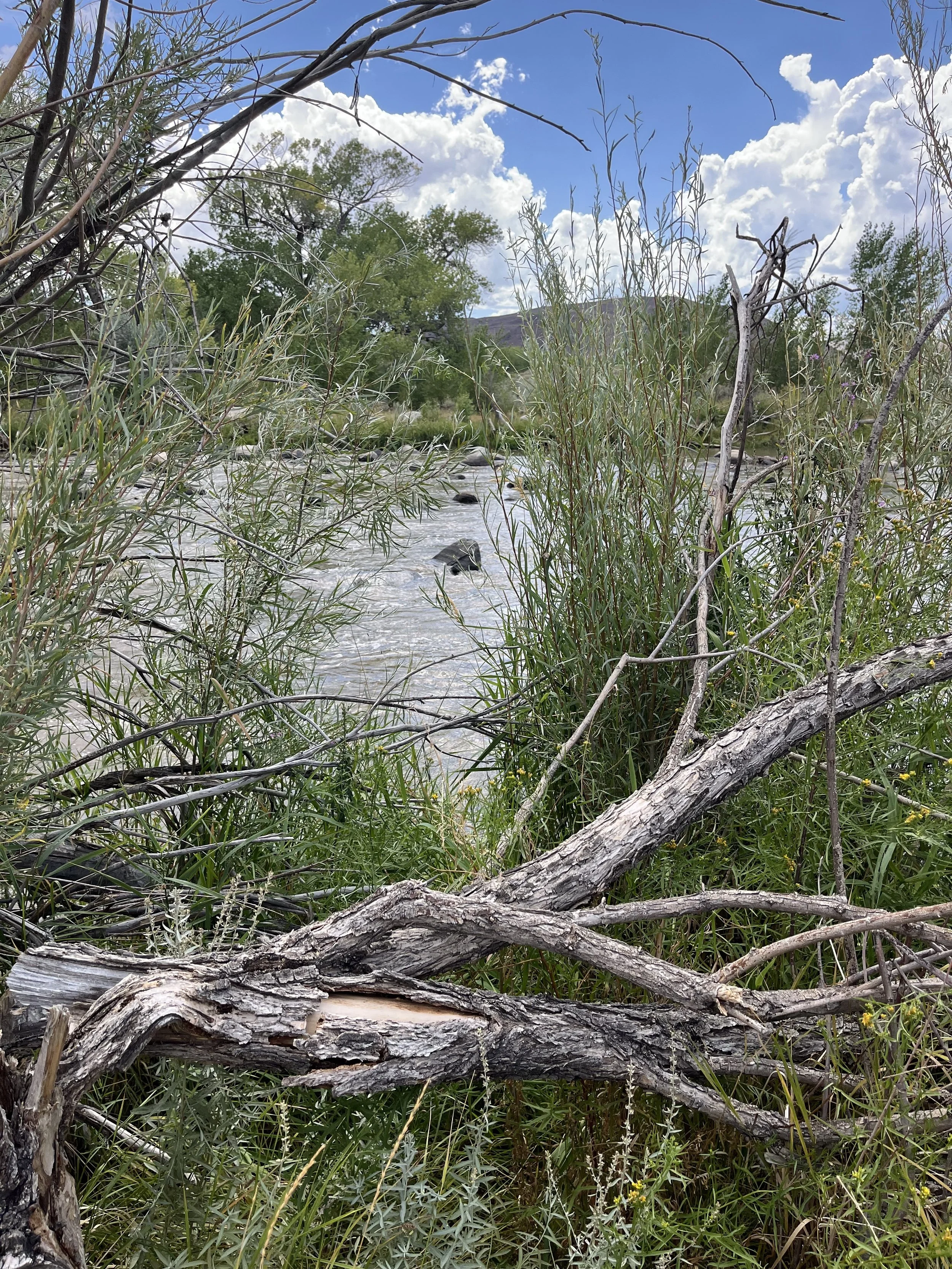
About twenty years later, a lot has changed. The Truckee River is reconnected to its floodplains, which helps mitigate flood risk to its surrounding arounds. This has recreated conditions that support native vegetation, which improves water quality by keeping the river cooler and filtering out excess nutrients. In addition to the wildlife benefits of encouraging native vegetation, riffles and pools in the river form beneficial habitats for trout, other fish, insects, and the animals that feed on them.
Because the Preserve is downriver of urban areas, managing the litter that flows downstream continues to be a struggle – and is regularly cleaned up through KTMB’s cleanup days and other volunteer workdays, including cleanups by company groups from the nearby Industrial Center. The Nature Conservancy continues to work to maintain and protect the Truckee River and its surrounding areas at McCarran Ranch Preserve.