Is Spark’s Weed & Fire Mitigation the GOAT?
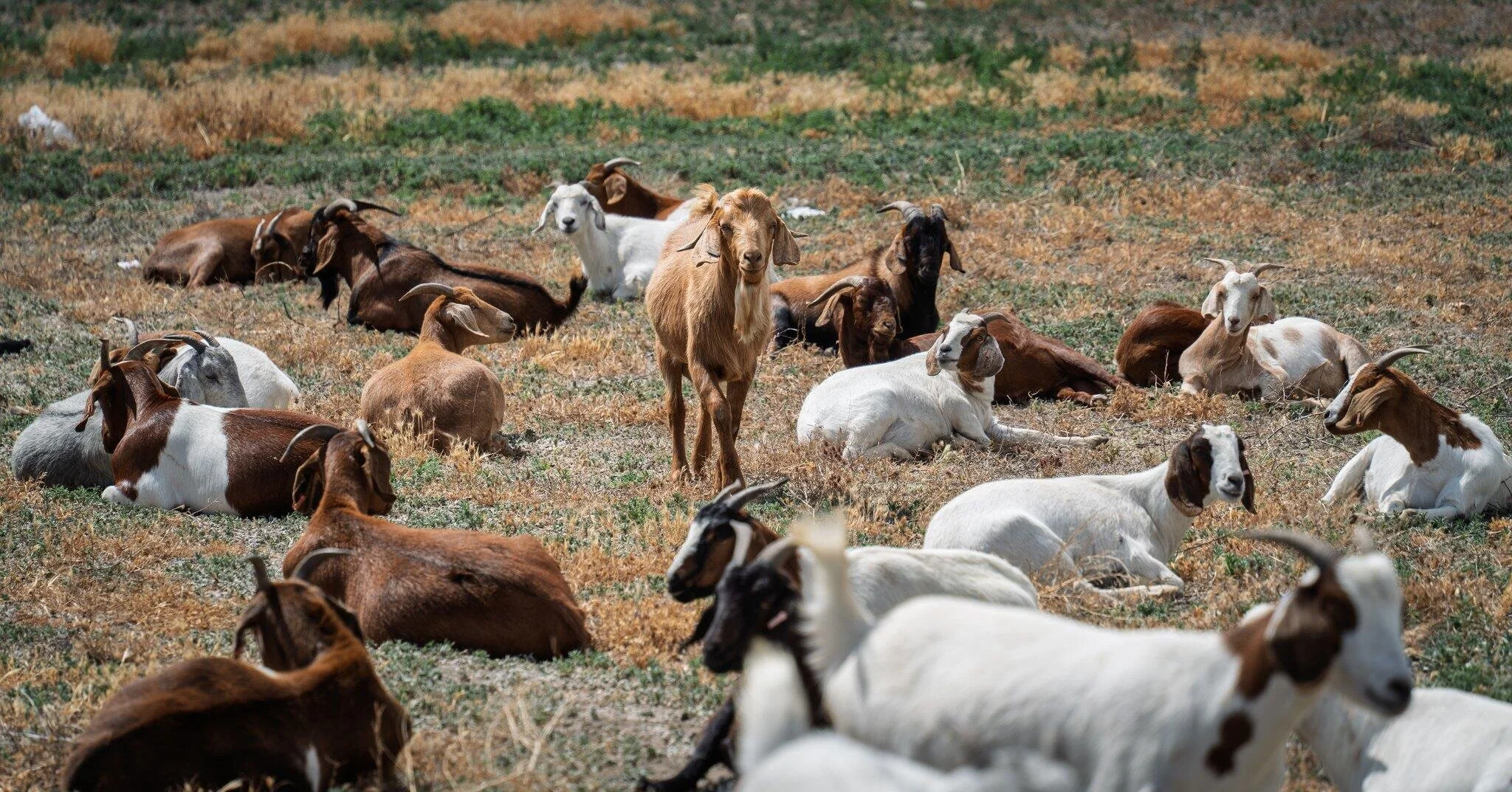
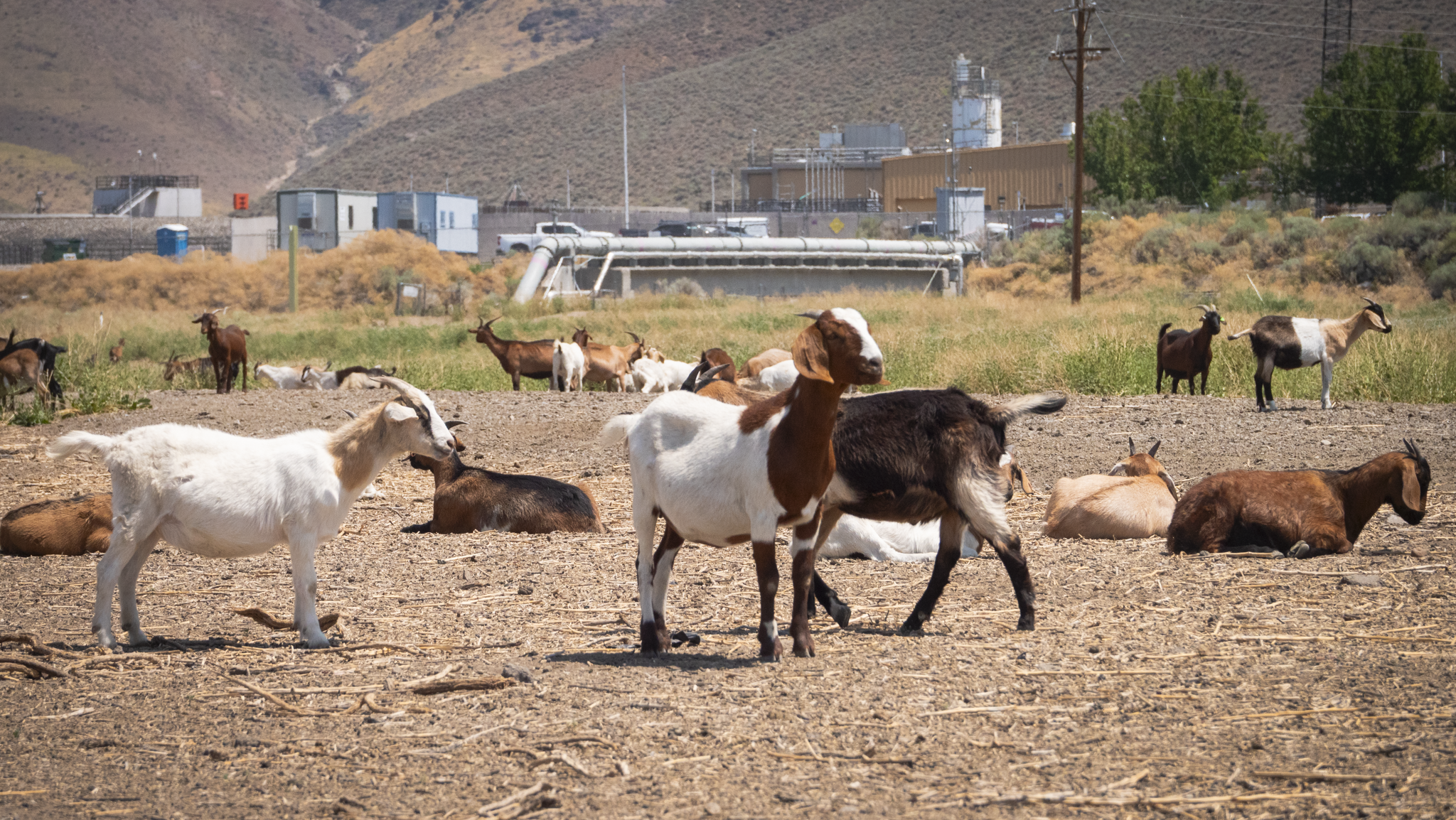
Have you spotted the City of Sparks’s newest work crew? In early May, Sparks launched its goat grazing pilot program to mitigate fire risk and remove weeds along the Truckee River, in drainage ditches, and other city properties. These 425 goats are hard workers, never show up late, and enjoy keeping their heads down until the job is done. They chew weeds for about 15 hours per day, serving as a chemical-free and mechanical-free alternative to traditional methods.
How did this program come about? What does it take to manage a team of goats? And – what’s next for goat grazing in our area? We sat down to speak with Nancy O’Connor, Parks and Recreation Director for the City of Sparks, to learn more about how our public lands are managed.
The Problem with Weeds
Living in the high desert, weeds aren’t just unsightly. They’re a fire risk that threatens our community’s infrastructure. Cheat Grass and other common weeds are quick to catch flame, which spreads rapidly in windy conditions.
Just as importantly, in drainage ditches, weeds accumulate over time. If not managed, they can clog drains that water needs to pass through during heavy rains. Depending on the terrain, mechanical removal with mowers and weed eaters can be difficult to run – and even poses the risk of starting fires if equipment sparks.
In 2025, a fire started near the Truckee Meadows Water Reclamation Facility (TMWRF) in Sparks, which treats municipal water used throughout Washoe County before its return to the Truckee River. A bird landed on a transformer on TMWRF property, exploded, and fell to the Cheat Grass-covered ground. The fire department was successful in putting the fire out before it spread far, but the need for weed mitigation was clear. If the water treatment plant had caught fire, it would have been disastrous for our region.
Getting Started with Goat Grazing
Treatment Plant Director Casey Mentzer and Nancy O’Connor were already familiar with – and excited about – goat grazing as an environmentally friendly and cost-effective strategy for land management. Prior to the fire, Mentzer had presented on goat grazing at a meeting, and O’Connor had approached him to talk about areas she managed that could also benefit from this approach. TMWRF obtained funding from FEMA in 2024, but as of the start of this pilot project, hadn’t yet received these resources. With the risk made clear, Mentzer and O’Connor collaborated, moving forward with the project while waiting for FEMA funds. Mentzer used TMWRF’s 25% FEMA match to pay for grazing at TMWRF, while O’Connor used funds normally earmarked for chemical applications.
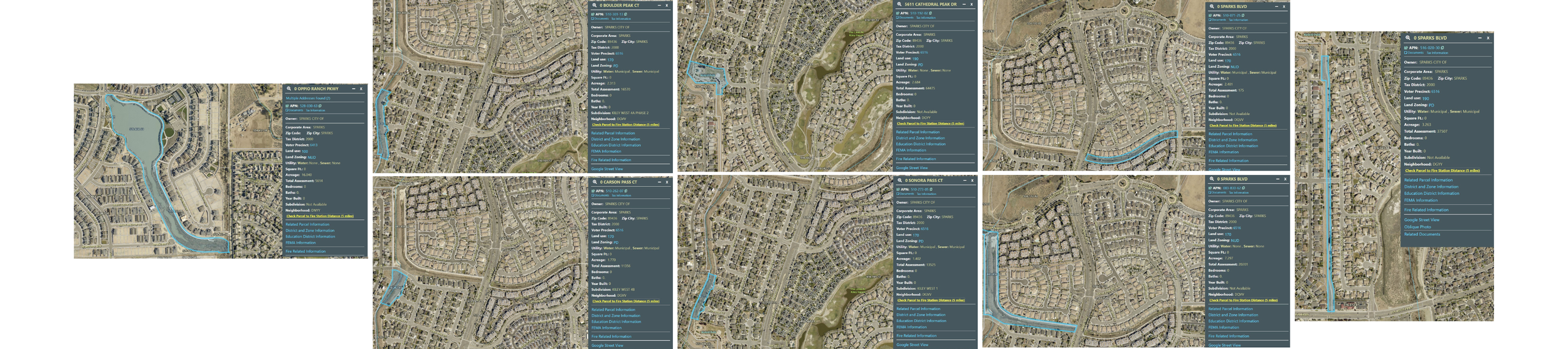
The pilot program originally included a 75-acre parcel of TMWRF property adjacent to the Truckee River and about 37 acres across eight additional sites in Sparks, including several Kiley drainage ditches, Stonebrook Lake, and the future Sparks City Hall site.
To complete this work, they contracted with High Desert Grazing. Based in Wellington, NV, the company is experienced with our area’s landscapes and has previously worked with other entities. They got started on May 1, 2026, right as the new green tips began to peak out and entice hungry goats.
The first year of grazing was successful, with the goats chewing through weeds ahead of schedule. With this quick work, Sparks added two additional city-owned project sites: Shadow Mountain and Wild Creek Park.
Why Goats?
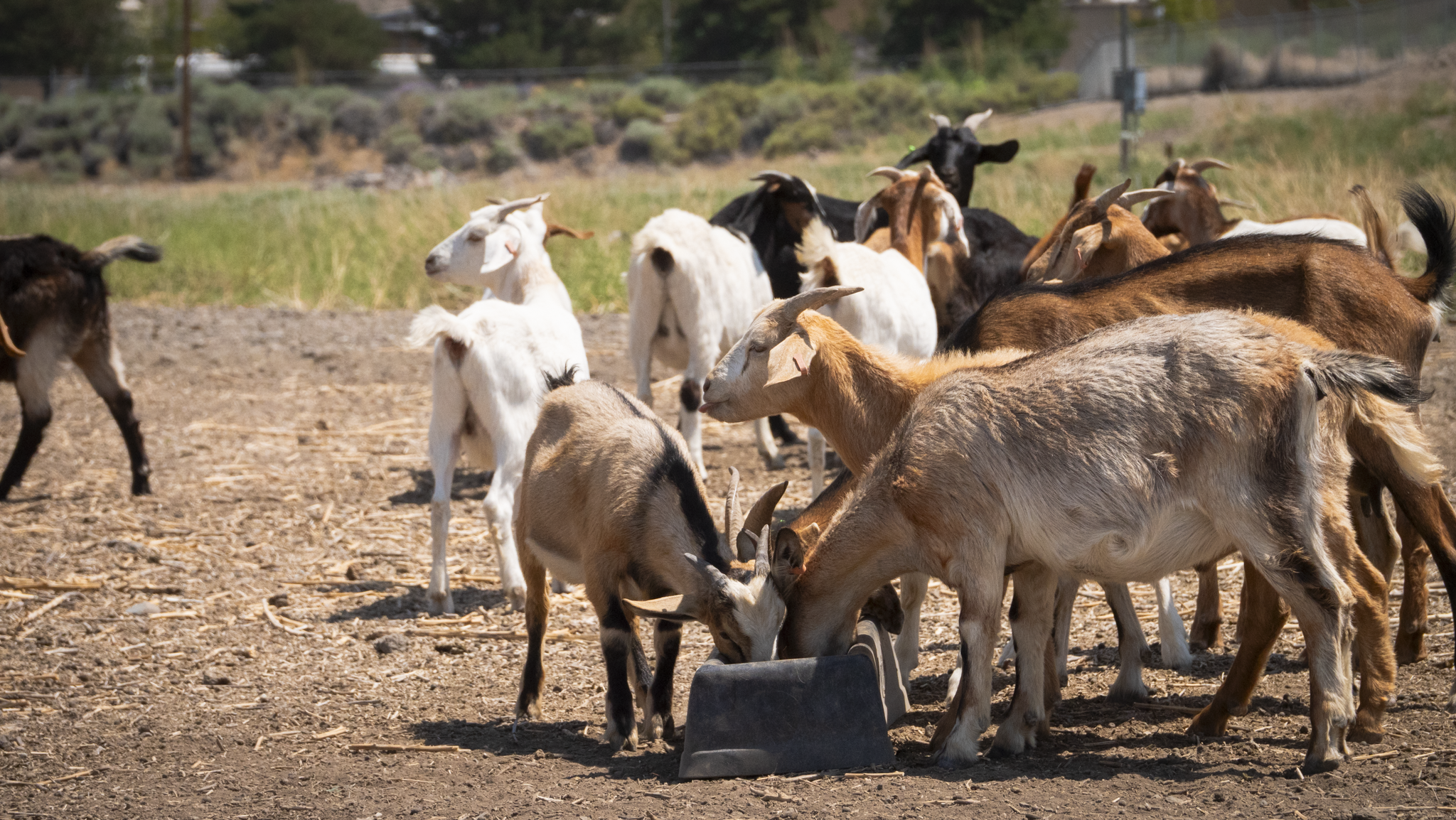
“Goat grazing is done without chemicals, which is our biggest thing,” O’Connor explains. Typically, it takes 2-3 years of chewing to kill off plants to levels where goats shouldn’t need to return to a site for several more years. While goats have the reputation of eating just about everything, they absolutely have preferences. They’re selective browsers and begin by eating seeds heads, then the exposed leaves of the weed, leaving a bare stock. This stock is unable to photosynthesize and go to seed, which eventually kills off problematic plants – even though the goats don’t chew completely down to the roots. Because goats have small mouths and chew with scissor-like motions, they destroy most of the seeds they ingest. Their four stomach chambers complete the job.
Beyond grazing, goats produce an enzyme in their feces that makes soils more acidic and helps reduce the proliferation of weeds over time.
The goats are managed by a goat herder during the day and watched over by guardian dogs at night. Movement dogs, typically border collies, are used when it’s time to transition the grazers to new sections of land.
Bringing our conversation back to the Truckee River, O’Connor shares, “because our water sources are more precious every single day, this allows us to do our part to make sure that we’re helping keep the river as clean as possible – for ourselves and for future generations.”
The City of Spark’s goat grazing program is well aligned with One Truckee River’s coordinated vegetation management efforts. Our vision for the urban corridor of the Truckee River in Nevada is to “develop and implement a coordinated vegetation management strategy that supports a diverse and high-functioning riparian corridor that provides ecosystem services to sustain a clean, healthy, and resilient river that is a refuge for wildlife and all members of our community.” (Framework Plan, p12) We see the coordination of multiple land use authorities and stakeholders to develop and implement sustainable methods and projects as a key strategy to protect the Truckee River and local vegetation.
Planning for Year Two & Beyond
In the first part of August, High Desert Grazing completed its contract with the City of Sparks and relocated its herd to another site in our community. Then, almost immediately, Sparks Parks and Recreation, TMWRF, and both the Reno and Sparks fire departments met to discuss grazing plans for year two. The goats will return to these same properties…but according to Nancy, “there’s going to be less and less to chew going forward. So maybe, we’ll be able to move the goats to other city acreage.” As they expand their program, areas they’re targeting include additional drainage and open area sites within the City of Sparks. Advance planning is key for projects like this, because it allows grazing companies to breed their herds with the City’s upcoming needs in mind.
She concludes, “A big benefit of this program is that we’re reducing chemical use for weed management. It’s important to educate ourselves and our community on different ways to remove weeds and to reduce this fire load. This is how people used to manage weeds, and there’s no reason for us not to.”
Less than a week before this story was published, Nancy O’Connor was taken from this world all too soon. At One Truckee River, we're deeply saddened by her unexpected passing and honor her memory and her work for the City of Sparks.